
“Give me six hours to chop down a tree and I will spend the first four sharpening the axe.” — Abraham Lincoln.
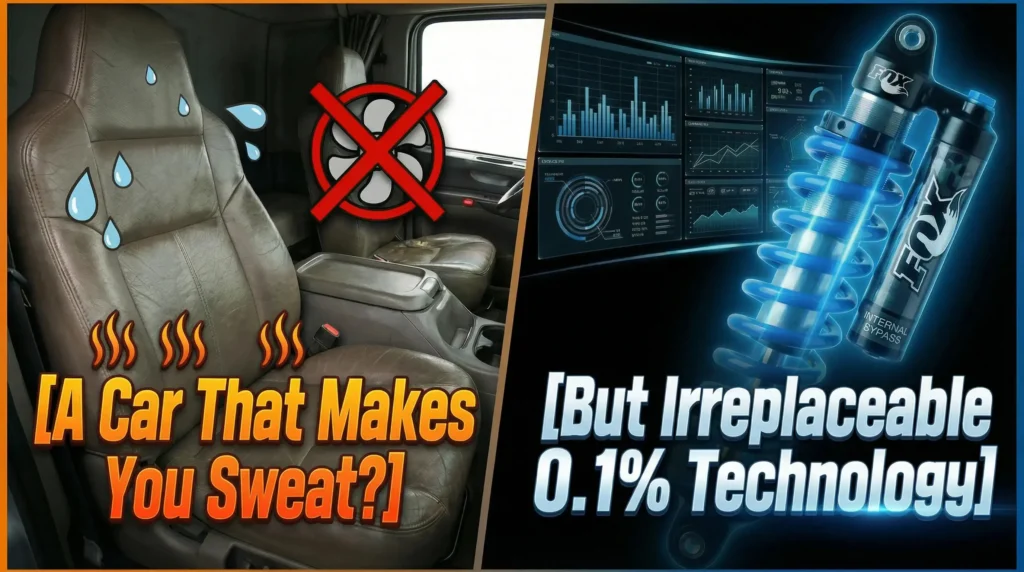
In the global mid-size pickup market, the Ford Ranger Raptor is often hailed as the ultimate “Sharpened Axe”—a precision instrument engineered to dominate desert dunes. However, failing to account for the Ford Ranger Raptor Hidden Costs is like swinging a dull blade into a financial forest. At AutoLab, we don’t just look at the shiny press photos; we look at the cold, hard numbers. For the global buyer, those numbers tell a brutal story Ford won’t put in their commercials—one involving astronomical maintenance fees and a shocking lack of utility.
1. The Payload Crisis: A “Jump Truck,” Not a Work Truck
The biggest misconception about the Ranger Raptor is that it’s still a “truck” in the utilitarian sense. While the standard Ranger Wildtrak can haul nearly 1 ton (2,200 lbs), the Raptor’s global payload is restricted to roughly 652kg (1,437 lbs).
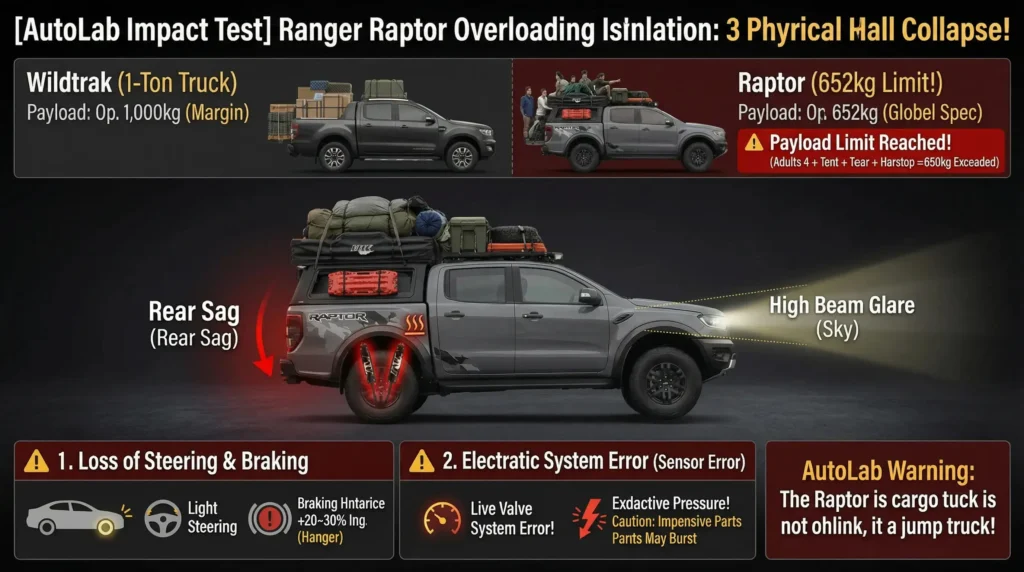
Think about it. Add a heavy-duty bed rack, a rooftop tent, a fridge full of gear, and four grown men, and you are already exceeding the legal and physical limits of the vehicle. The very suspension that makes it fly over dunes causes it to sag under pressure, compromising steering and braking.
2. The “Raptor Tax”: Maintenance Costs That Bite
The Fox Live Valve internal bypass shocks are a marvel of engineering, adjusting damping 500 times per second. But engineering this complex comes with a staggering price tag.
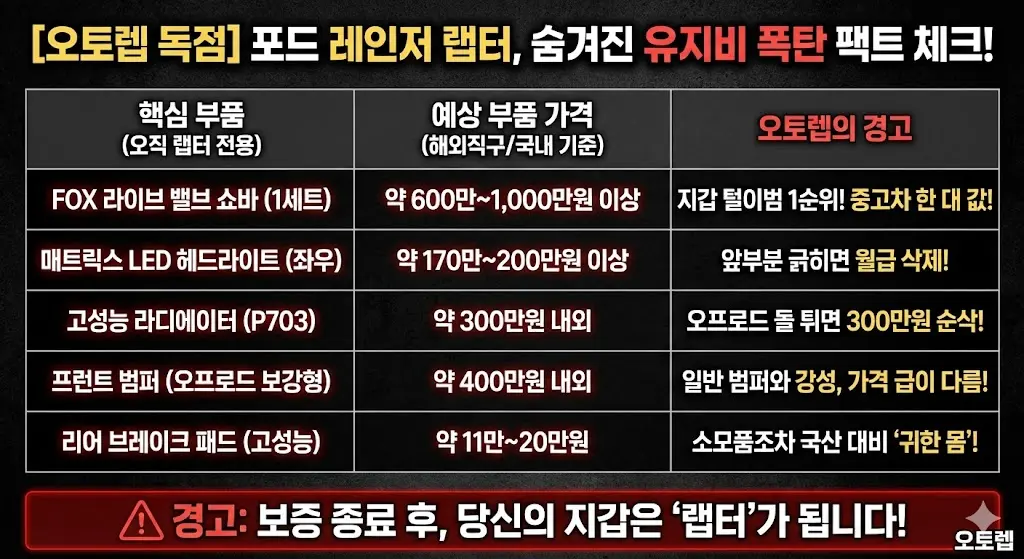
A full set of replacement shocks can cost upwards of $6,000 to $10,000. Add in the Matrix LED headlights ($1,500+) and high-performance radiators, and a minor off-road mishap becomes a five-figure disaster. For the global owner, the question isn’t “How fast can it go?” but “Can you afford to keep it going after the warranty expires?”
3. The Depreciation Cliff: A Financial Freefall
In the secondary market, the Raptor is a niche product. While it holds value well in the first year due to hype, it hits a massive “Depreciation Cliff” at year three.
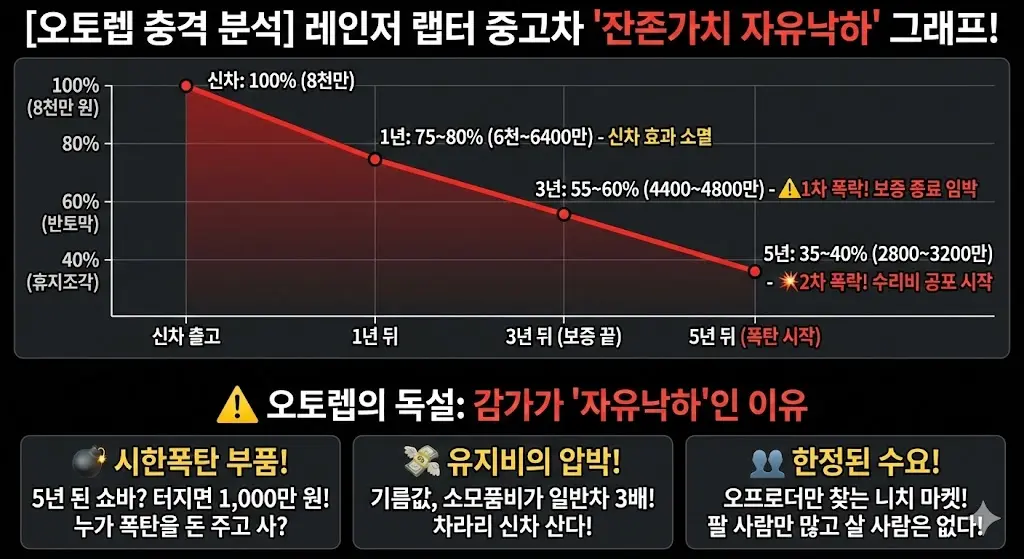
Buyers of used high-performance trucks are terrified of the “Out-of-Warranty” nightmare. Because the maintenance costs are so high, the pool of secondary buyers shrinks, forcing prices down. Expect to lose nearly 40-45% of your asset value within the first 36 months.
Final Verdict: Master’s Tool or Expensive Toy?
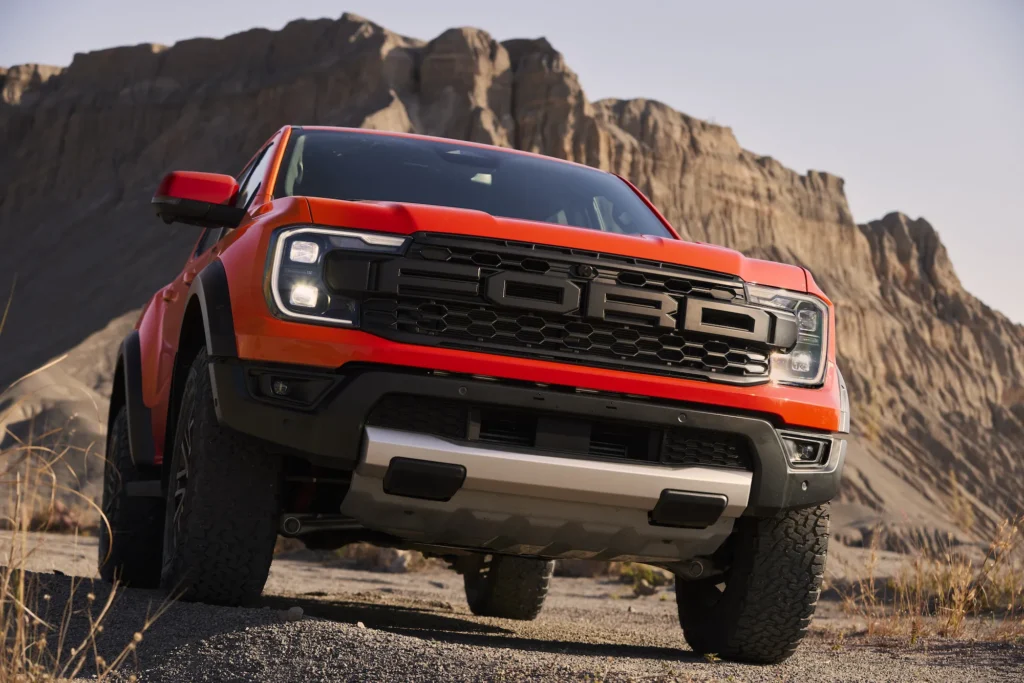
The Ford Ranger Raptor is an incredible machine—if you use it for its intended purpose: high-speed desert running. However, if you are looking for a reliable overland camper or a daily commuter, you are essentially paying an $80,000 entry fee into a world of “엉땀” (sweaty backs) and astronomical repair bills.
Before you sign that contract, ask yourself: Are you buying a tool to conquer the world, or are you becoming a slave to the machine?
❓ FAQ: Ranger Raptor Ownership
Q1: Is the Ranger Raptor a good daily driver? A: Performance-wise, yes. However, the lack of ventilated seats, low payload for groceries/gear, and the high cost of tires and fuel make it an expensive and often impractical daily vehicle.
Q2: Why is the payload so much lower than a regular Ranger? A: To allow for high-speed desert jumping, the Raptor uses soft coil springs and Fox shocks. This soft setup is excellent for bumps but cannot support heavy vertical loads without sagging.
Q3: How can I minimize the depreciation? A: Keep a meticulous service record and consider selling the vehicle 6 months before the factory warranty expires. Once the warranty is gone, the resale value drops significantly due to the “Raptor Tax” on parts.
External Links
1, For verified payload and towing figures (and to sanity-check your “payload crisis” section), reference the official spec breakdown on Car and Driver’s Ranger Raptor page.
2, For the technical basis behind the FOX 2.5-inch Live Valve internal bypass dampers (including the real-time sensor control you mention), use Ford’s official explainer here: “5 Things You Need to Know About the Ranger Raptor”.
Internal links
1. If you’re weighing “performance prestige” versus long-term ownership risk, this deep dive on real repair exposure is worth reading: EV Repair Cost Analysis.
2. If you want a true “value-and-frame” alternative to the $80k off-road tax, this comparison angle fits your conclusion perfectly: 2026 Musso: The “Ranger Killer” Thesis.
3. If you’re building the bigger market narrative around why buyers are getting priced out, this explains the inflation-driven pricing shift clearly: The Truth Behind Camping Car Price Increases.
🌐 Auto Lab Editorial Signature
✍️ Editor’s Note Produced & Analyzed by: Auto Lab Strategic Analysis Team
Data Sources: Official global manufacturer press releases and public certification data from the Ministry of Environment (ME) and the Ministry of Land, Infrastructure and Transport (MOLIT).
Auto Lab goes beyond simple news reporting to analyze the truth hidden within the data. We hope this content serves as a valuable roadmap for your smart and rational automotive lifestyle.